
Planning meals from pantry staples is a great way to save time, reduce food waste, and cut down on shopping trips. Whether you’re trying to simplify your weeknight dinners or preparing for a busy season, knowing how to make the most of your pantry can help you create tasty, satisfying dishes without much fuss.
In this post, we’ll explore practical steps to plan meals from the ingredients you likely already have on hand. From organizing your pantry to mixing and matching staples for balanced meals, these tips will give you confidence in cooking anytime.
Why Plan Meals from Pantry Staples?
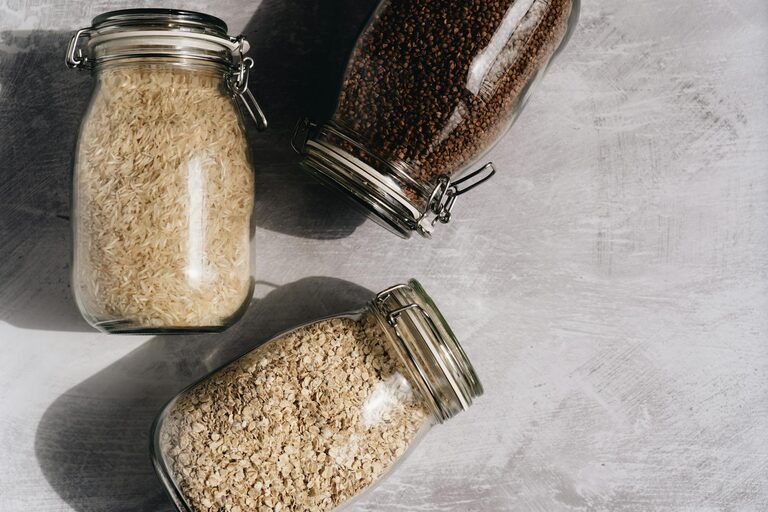
Pantry staples are non-perishable or long-lasting foods you keep stocked regularly. Items like rice, beans, pasta, canned vegetables, spices, and baking essentials make up the core of many households. Planning meals around these staples lets you:
– Save money by using what you have instead of buying extra
– Minimize food waste by preventing spoilage
– Reduce stress with quick, reliable meal options
– Adjust menus flexibly based on availability or preferences
Step 1: Take Inventory of Your Pantry
Before planning, it’s important to know exactly what you have. Dedicate some time to clean and organize your pantry. As you sort through, write down a list of staples you currently own.
Common pantry staples include:
– Grains: rice, pasta, quinoa, oats
– Legumes: canned or dried beans, lentils, chickpeas
– Canned goods: tomatoes, vegetables, fruits, tuna
– Baking essentials: flour, sugar, baking powder, yeast
– Cooking oils and vinegars
– Spices and dried herbs
– Nut butters and nuts
– Broth or stock cubes
– Condiments: soy sauce, mustard, ketchup
Having an accurate inventory helps you plan meals without unnecessary trips to the store.
Step 2: Think About Balanced Meal Components
Good meals usually include protein, carbohydrates, vegetables, and healthy fats. When planning with pantry staples, combine ingredients from each group for nutrition and flavor variety.
Protein Options from the Pantry
– Beans and lentils
– Canned tuna or salmon
– Peanut butter or other nut butters
– Shelf-stable tofu or tempeh (if available)
Carbohydrate Bases
– Rice, pasta, couscous, or quinoa
– Potatoes and sweet potatoes (often stored in a cool, dark pantry or nearby)
– Bread or crackers
Vegetables and Flavor Enhancers
– Canned or jarred vegetables (corn, tomatoes, green beans)
– Dried or freeze-dried vegetables
– Onions and garlic
– Spices like cumin, paprika, oregano, chili powder
Step 3: Plan Your Meals Around Themes
Having a theme or cuisine style can narrow options and make meal preparation easier. Consider these ideas to combine pantry items efficiently:
– Italian Night: Pasta with canned tomato sauce, garlic, and dried herbs
– Mexican Flavors: Rice, beans, canned corn, cumin, and chili powder
– Soup or Stew: Lentils or beans with canned vegetables and broth
– Stir-fry: Rice or noodles with soy sauce and frozen or canned vegetables
– Breakfast-for-Dinner: Oatmeal topped with nut butter and canned fruit
Step 4: Create a Flexible Menu
Using your inventory and preferred themes, sketch out a simple weekly menu. Keep it flexible so you can substitute ingredients based on availability. For example:
– Day 1: Red lentil soup with canned tomatoes and rice
– Day 2: Spaghetti aglio e olio with canned mushrooms and garlic
– Day 3: Chickpea curry with canned coconut milk and rice
– Day 4: Tuna salad with canned beans and olive oil dressing
– Day 5: Oatmeal with peanut butter and dried fruit for dinner
Step 5: Prep When You Can
You can make meal planning even easier by prepping some ingredients ahead of time — like cooking a big batch of rice or soaking dried beans overnight. Store prepped staples in the fridge or freezer for quick assembly during the week.
Tips for Maintaining a Well-Stocked Pantry
– Regularly check expiration dates and rotate items so older products get used first.
– Replenish staples before they run out to avoid last-minute shopping.
– Add a few fresh items weekly such as onions, garlic, and potatoes, which store well outside the fridge.
– Keep a list of favorite pantry recipes handy for inspiration.
Conclusion
Meal planning from pantry staples is an excellent way to streamline cooking and make mealtime less stressful. By taking inventory, balancing your meals, and using themes, you can craft diverse dishes using what you already have. With practice, you’ll become more creative and confident in turning simple ingredients into delicious meals.
Start today by tidying your pantry and building a flexible menu—your future self will thank you!