
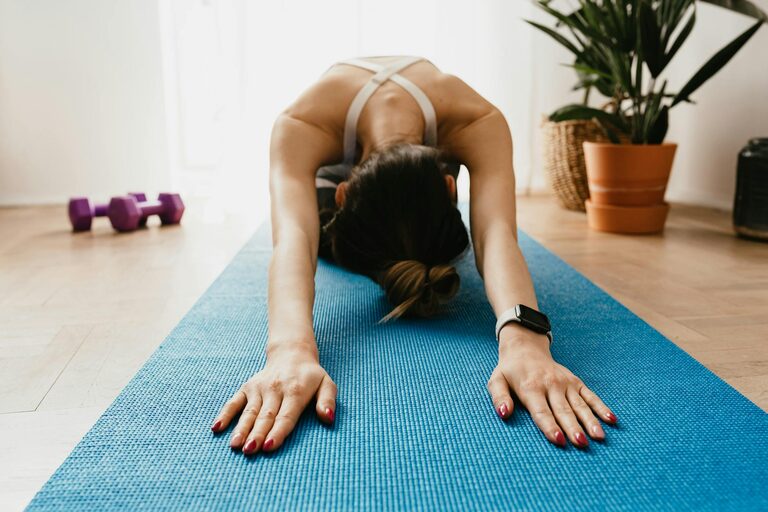
Stretching is a fundamental part of staying active and maintaining overall body health. Whether you are a complete beginner or someone looking to add gentle movement to your daily routine, stretching at home is an accessible and effective way to improve flexibility, reduce muscle tension, and enhance circulation.
In this beginner’s guide, we’ll cover the basics of stretching, explain the benefits, and provide simple routines you can do anywhere in your home.
Why Stretching Matters
Stretching offers numerous benefits beyond just touching your toes. Here are some key advantages:
– Improves flexibility: Regular stretching helps lengthen muscles and tendons, making daily movements easier and more fluid.
– Reduces muscle tension: Stretching can relieve stiffness and tightness caused by inactivity or repetitive tasks.
– Enhances circulation: Moving your muscles through gentle stretches encourages blood flow, promoting healing and energy.
– Prepares the body for activity: Stretching before exercise can help reduce the risk of injury.
– Promotes relaxation: Slow, mindful stretching calms the nervous system and reduces stress.
Understanding Stretching Types
Before diving into routines, it helps to know the basic types of stretching:
Static Stretching
This involves holding a stretch in one position for 15 to 60 seconds. It’s ideal after exercise or as a standalone flexibility practice.
Example: Sitting with legs extended and reaching toward your toes.
Dynamic Stretching
Dynamic stretches are active movements that gently take your muscles through their full range of motion without holding the position.
Example: Leg swings or arm circles.
PNF Stretching (Proprioceptive Neuromuscular Facilitation)
PNF is a more advanced technique involving alternating contraction and relaxation of muscles to deepen the stretch. It’s not typically recommended for beginners to try alone without guidance.
For beginners, static and dynamic stretching are the best places to start.
How to Stretch Safely at Home
Follow these simple guidelines to stretch comfortably and avoid injury:
– Warm up first: Stretching cold muscles isn’t ideal. Spend 3-5 minutes walking or performing light movements to increase blood flow.
– Avoid bouncing: Stretch smoothly and hold still. Bouncing can cause muscle strain.
– Listen to your body: A stretch should feel like a gentle pull, not pain. Ease off if you experience sharp or intense discomfort.
– Breathe deeply: Slow, steady breathing helps muscles relax.
– Be consistent: Stretching 3-4 times per week yields the best results.
Beginner Stretching Routine for Home
Here’s a simple 10-minute routine that targets major muscle groups. Use a mat or comfortable surface.
1. Neck Stretch
– Sit or stand tall.
– Gently tilt your head toward your right shoulder until you feel a stretch on the left side of your neck.
– Hold for 20 seconds.
– Repeat on the left side.
2. Shoulder Stretch
– Extend your right arm across your chest.
– Use your left hand to press your right arm closer to your chest.
– Hold for 20 seconds.
– Switch sides.
3. Triceps Stretch
– Raise your right arm overhead.
– Bend your elbow to touch your upper back.
– Use your left hand to gently press your right elbow.
– Hold for 20 seconds.
– Switch arms.
4. Seated Forward Bend
– Sit on the floor with legs extended.
– Keep your back straight, hinge forward at the hips and reach toward your toes.
– Hold for 30 seconds.
– Relax and repeat if comfortable.
5. Cat-Cow Stretch (Dynamic)
– Get on hands and knees.
– Inhale and arch your back (Cow), lifting your head and tailbone.
– Exhale and round your back (Cat), tucking your chin and pelvis.
– Repeat 5 times.
6. Standing Quadriceps Stretch
– Stand on one leg.
– Bend the other knee, bringing your heel toward your buttocks.
– Hold your ankle with your hand to stretch the front thigh.
– Hold 20 seconds, switch legs.
7. Calf Stretch
– Stand facing a wall.
– Step your right foot back, heel on the floor.
– Bend your left knee and lean forward.
– Hold for 20 seconds.
– Switch sides.
Tips for Making Stretching a Habit
Making stretching part of your daily routine doesn’t have to be complicated:
– Set a schedule: Stretch at the same time each day, such as morning or before bed.
– Use reminders: Set phone alerts or leave notes to prompt your stretch breaks.
– Pair with other habits: Stretch while watching TV or listening to music.
– Track your progress: Keep a simple log of your sessions and notice improvements.
– Stay patient: Flexibility develops over time — gentle consistency is key.
When to Avoid Stretching
If you have:
– Acute injuries (sprains, strains)
– Severe joint pain
– Inflammation or swelling
Consult a healthcare provider before starting a stretching routine.
Final Thoughts
Stretching at home is an easy way to invest in your physical and mental well-being. With just a few minutes each day, you can build flexibility, ease muscle tightness, and enjoy a calming break. Remember to proceed gently, stay consistent, and celebrate your progress.
Give this beginner’s guide a try, and you might find that stretching becomes a refreshing part of your daily self-care!
—
Feel free to share your favorite stretches or ask questions in the comments below. Happy stretching!